
Sankat Mochan Hanuman temple in Varanasi- A sacred abode of devotion and protection
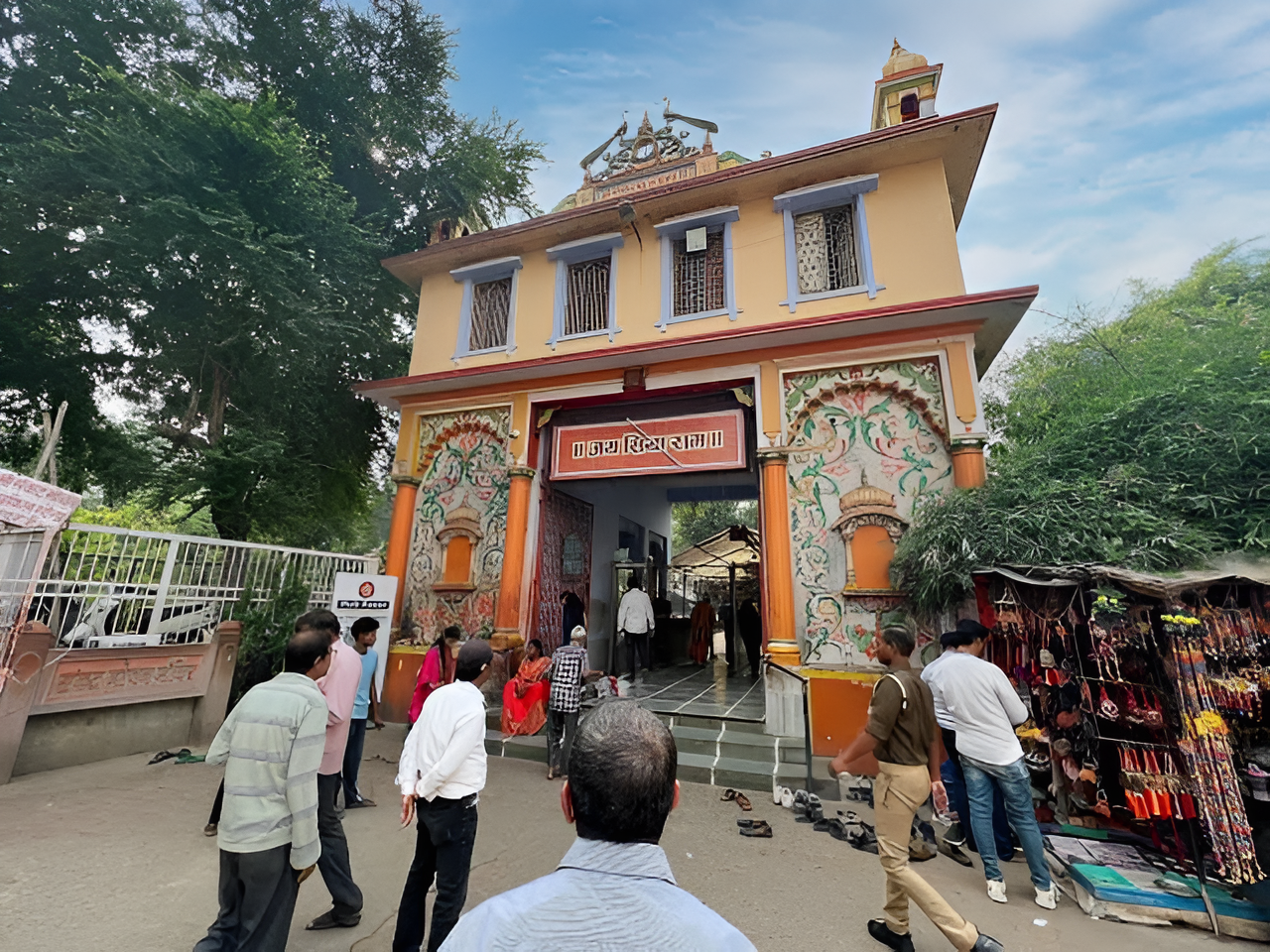
Sankat Mocha Temple is to be established in the spiritual heart of Kashi. This temple is widely recognized for its pure protection. This temple was built in the 16th century by a famous legendary poet whose name was Saint Poet Go swami Tulsidas. Poet Tulsidas has a pure divine vision of Lord Hanuman himself. The structure of the Hanuman temple is to be expanded in the early 20th century. This expansion was mostly preferred by the freedom fighters whose name was Pandit Madan Mohan Malviya.
A Symbol of Pure Devotion: The Alignment of Rama and Hanuman:
What is the exact meaning of Sankt Mochan? It relieves the pilgrimage from troubles or from hardships of life. Here in this temple, the idol of Hanuman is placed directly in the face of Lord Rama. This really symbolized Hanuman’s eternal and selfless devotion to Lord Rama Ji.
The Birthplace of Epic Inspiration: Tulsidas and the Ramcharitmanas:
Spiritual history was rewritten here. It is widely believed that Tulsidas found the ultimate inspiration to compose the epic Ramcharitmanas right on these tranquil temple grounds! “This day, the temple keeps that legacy alive by distributing Hanuman Chalisa and Sundarkand booklets absolutely free to all pilgrims.
Universally Famous: The Sweet Blessing of Sankat Mochan:
You cannot leave this temple without the Prasad. The temple is universally famous for its mouth-watering ‘Besan ke Ladoo’ offered to Bajrangbali.”
Unshakable Faith: The Astrological Significance of Worshipping Bajrangbali:
Pilgrimage has unshakable faith is that worshiping Hanuman Ji is the remedy to get relief from troubles and reduce the planetary afflictions of Shani Dev. The people feel that worshiping Hanuman is directly appeasing Shani Dev, Saturn planet.
The energy of the temple is unbreakable and brings positivity into the lives of people. The devotees have to open the temple in the early morning without missing a single Aarti.
Look Closely: The Sacred Marigolds and Sindoor of the Deity:
Look closely at the deity. Following ancient tradition, the unique clay idol is permanently adorned with bright marigolds and completely smeared in sacred sindoor (vermilion).
Sankat Mochan Sangeet Samaroh: A World-Renowned Musical Legacy:
It’s a massive cultural hub. Every year, it hosts the world-renowned Sankat Mochan Sangeet Samaroh, attracting the finest classical musicians globally.
True to the Deity’s Nature: The Sacred Monkeys of Sankat Mochan:
True to the deity’s nature, the temple is surrounded by a dense, preserved forest pocket home to hundreds of monkeys who live peacefully as part of the ecosystem.
Tuesdays, Saturdays, and Hanuman Jayanti: Days of Absolute Protection:
If you want to feel the peak cosmic energy, visit on a Tuesday or Saturday—or during the massive 5-day Hanuman Jayanti festival, when millions gather for absolute protection. Tuesdays, Saturdays are considered most prominent and energetic days to celebrate Hanuman Jayanti.
Travel Tips: Reaching the Hanuman Temple by Rickshaw:
Cars can’t navigate the narrow lanes here. Your best bet is an E-rickshaw or an Auto-rickshaw. You can hire an auto-rickshaw to reach Hanuman temple. There is need to pay around 30 rupees to reach the Hanuman Temple on a shared basis, and you need to pay 150 rs approximately if you hire the whole rickshaw.
Tight Security Protocol: What You Need to Know Before You Enter:
There is a need to follow the rules before entering the Sankat Mochan temple in Varanasi. The security is incredibly tight here. There is a need to deposit the smart watches, mobiles, camera and large bags in the temple locker room before entering the temple.
From Temple Gates to the Deity: Buying and Offering the Sacred Prasad:
There are several devotees who have to buy the Ladoo right from outside the temple and to offer the Hanuman ji inside the temple. There are many monkeys outside the temple and devotees have to serve sweets to them as much as they can do.
Final tips: Well, the devotees mostly prefer to visit the Temple on Tuesdays and Saturday on the Hanuman temple in the early morning and late evenings. The spiritual journey to Sankat Mochan Hanuman Temple in Varanasi brings calmness and happiness into their lives.
The ultimate guide to Assi ghats and best hotels nearby
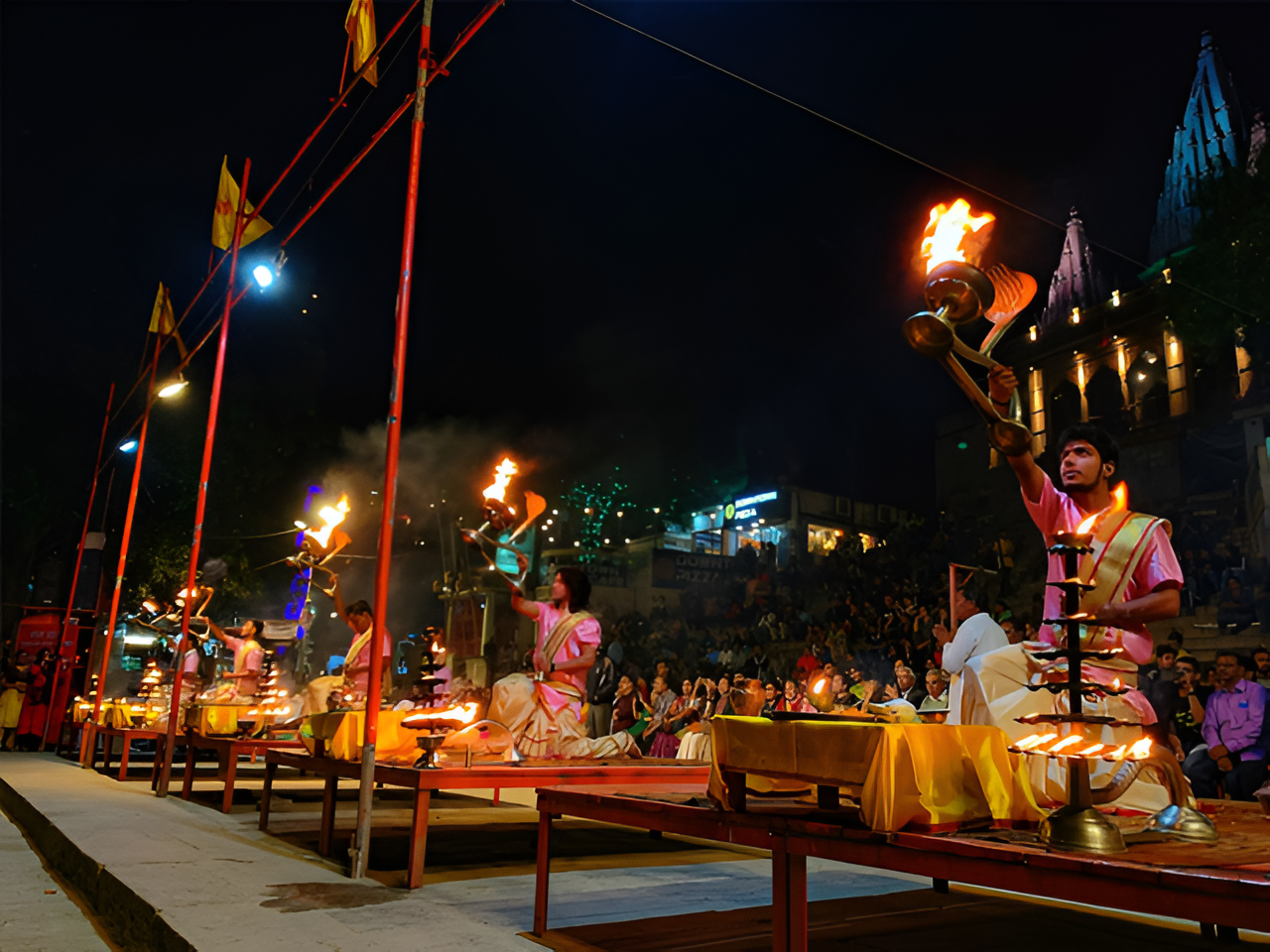
Varanasi is chaotic. Are you searching for the corner of the city where pilgrimage usually slows down their life and alerts your perspective on life then your termination ends here? Welcome to Assi Ghat — it is a symbol of the artistic sanctuary and cultural heart. If any traveler wants to wish to come to Kashi, then it is really the ultimate starting point for them.
Today, we’re breaking down 15 mind-blowing facts you absolute need to know, followed by the definitive guide to the absolute best hotels right next to the river.”
Where the South Begins: The Story of Assi and the Naming of Varanasi:
Assi is literally the southern border of ancient Kashi. The Varanasi is really name that exists of two rivers, such as the Varuna in the north and the Assi river that was established right here in the south.
The fall of Shumbha and Nishumbha: The Myth behind Assi River:
It is a mythological fact that Goddess Durga has to kill the two demons. The names of the demons are Shumbha and Nishumbha. The Goddess Durga threw them into the Assi River and carved its way to the Ganges.
Awakening the Soul: The Sunrise Magic of Assi Ghat:
Unlike other ghats, Assi hosts a massive cultural celebration every single morning at sunrise, featuring Vedic hymns, classical ragas, and mass yoga sessions.
Where the Ramcharitmanas was born: Tulsidas’s Final Sanctuary:
It is the literary birthplace of the Ramcharitmanas. The legendary saint-poet Tulsidas’s lived, wrote, and ultimately took his last breath right here at Assi.
The Sacred Waters of Panchatirthi: Attaining Moksha at Assi:
Assi Ghat is the sacred Panchatirthi place. Assi Ghat becomes one of the most spiritually significant ghats of Varanasi. People mostly take holy trips in the Assi ghats, and it is considered Assi Ghats to break the cycle of rebirth.
The Peepal Tree Ritual: Connecting Water, Earth, and Shiva:
The Peepal tree ritual. Devotees take a dip, then immediately pay respects to a massive, ancient Shivling nestled beneath a sacred Peepal tree right on the steps.
From Students to Activists: The Global Hub at Varanasi’s Edge:
Assi ghats are really the hub of the students. Banaras Hindu University is located about 2 km proximity to the Assi ghats. Ultimately, Assi Ghat is to morph into as a place that is filled with international researchers, artists and activists.
Assi Ghat Food Guide: From Local Street Eats to Vegan Cafés:
Varanasi is known for its café cultural capitals. Assi ghats are the place that is famous for street food. Wood-fired pizzerias, apple pies and Vegas cafés are the main parts of the Assi ghats. Assi ghats are rooted in balancing Bohemian vibes with ancient roots.
The Shifting Course of History: The Transformation of the Assi River:
The shifting landscape. The Assi River itself has dramatically changed its course over centuries, turning from a roaring river into a subtle tributary stream.
The Art of the Hand-Paddled Boat: Sunrise Photography Away from the Noise:
The Boatmen Community. Assi is the absolute best spot to hire traditional wooden hand-paddled boats for dawn photography, away from the motorized boat traffic congestion downstream.
The Changing Canvas: Traditional and Contemporary Wall Art at Assi
The alleyways leading to Assi feature an incredible blend of traditional religious wall paintings mixed with modern, socio-political street art.
Chai, Culture, and Late-Night Music: Assi’s 24-Hour Spirit:
It never sleeps. From tea stalls brewing chai at 3:00 AM for morning priests to late-night music jam sessions, it functions on a 24-hour cycle
The River Pathway to History: Sailing from Assi to Ramnagar Fort:
Taking a boat ride from Assi gives you the fastest, most cinematic direct water path to the historic Ramnagar Fort across the river.Dashashwamedh ghats Aarti has to enhance the spiritual power among pilgrimage. Well pilgrimage enjoys the less crowded experience here. Well the stone that is used to build it is entirely comes from 18th century under the Maratha Empire.
The best hotels near- by Assi ghats:
Luxury Heritage Option: “First up, Palace on Ganga is the Kashi Anupam Hotel. Located just 90 meters from the Ghat, this boutique heritage property features rooms themed around different regions of India. The rooftop restaurant gives you unparalleled views of the morning Aarti.”
Comfort Boutique Option:
This hotel offer incredibly clean, pure-vegetarian dining options and a tranquil escape from the outside hustle.”
Budget & Solo Traveler Option: Kashi Anupam Hotel is the budget friendly option for pilgrimage and all the facilities such as Wi-Fi, social rooftop spaces, and live music nights are available here.
Final tip: Assi Ghat isn’t just a place you look at; it’s a place you feel. Har Har Mahadev.”
Swarved Mahamandir: The Ultimate Spiritual Quest
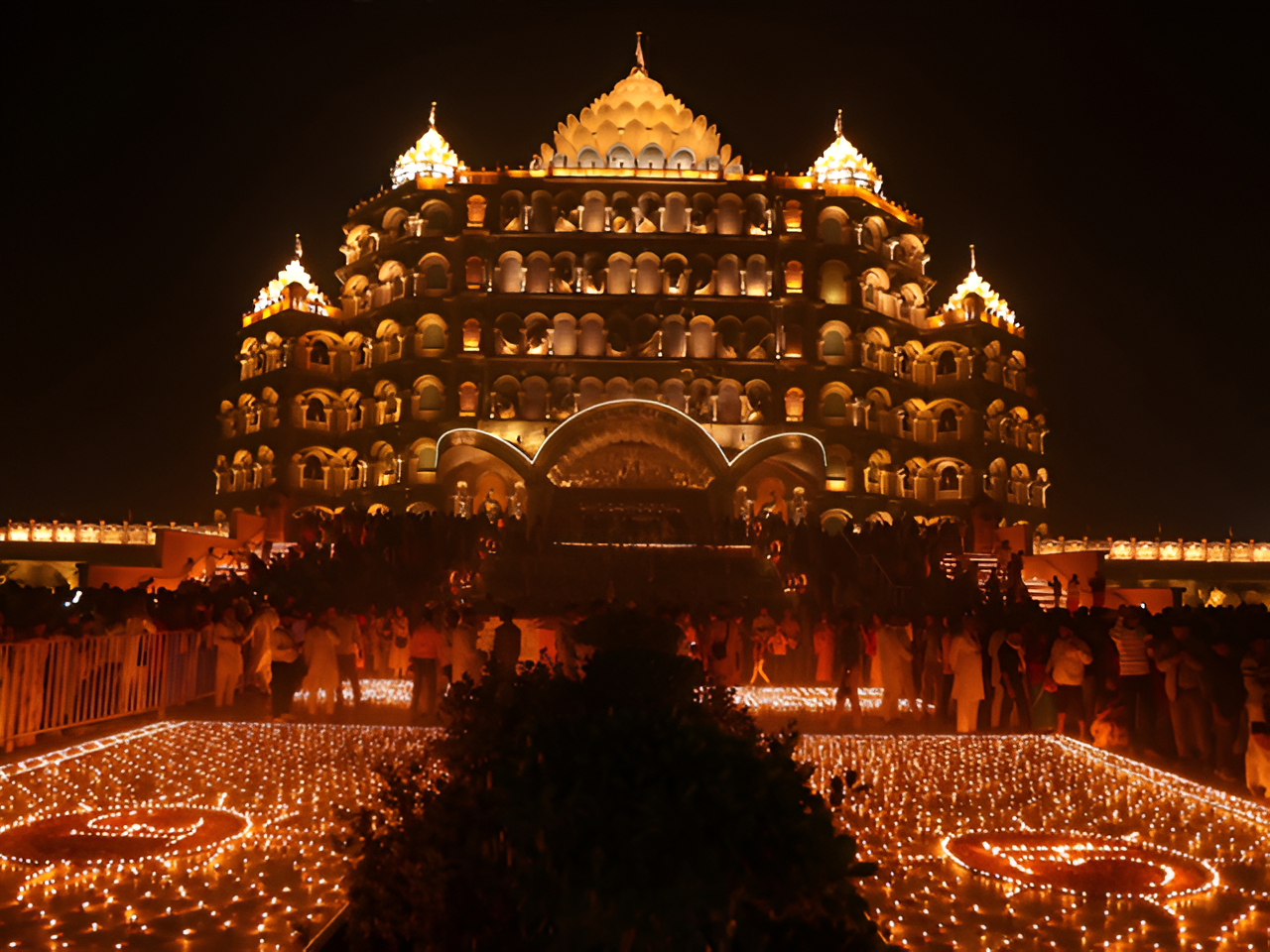
Deep in the spiritual heart of India lies a modern marvel built not for conventional idol worship, but for the ultimate quest of human consciousness. Welcome to Swarved Mahamandir.” The Mahamandir is named after the Swarved, a profound spiritual scripture authored by Sad guru Sadafal Deo Ji Maharaj, the founder of Vihangam Yoga. Think you know Varanasi? Wait until you see this modern wonder.”
Swarn Mandir is located in the Umraha area; the meditators can enjoy visiting especially during the early morning or sunset hours. The location of the temple is just about 12 kilometers from the heart of Varanasi. Swarved Mahamadir is the ancient structural heritage building that will write your spiritual journey. The morning lightning transformed the campus into a dreamscape. This is the Swarved Mahamandir—the largest meditation center on planet Earth.
Here are few stunning facts about this modern marvel:
Swarved Mahamandir: the Seven-Story Mega Meditation Center
This is Swarved Mahamandir, the world’s largest meditation center!” It stands tall across seven stunning floors! This isn’t a traditional temple for rituals. It is a mega seven-story superstructure built purely for human consciousness.
The Architecture of Scale: Hosting 20,000 Meditators at Once:
More than twenty thousand people can meditate here at the exact same time!” The scale of the temple is completely impossible to comprehend. The central hall of the temple can easily accommodate the meditators more than 20000, at the exact same time..
3,000 Verses Carved in Stone: A Temple Without Idols:
There are no idols. Instead, over three thousand spiritual verses are carved onto the walls
Crafted from Makrana Marble and Pink Sandstone: The Heritage Architecture:
The architecture has to use the same stone or premium quality of Makrana marble to create Swarn Mandir, just the same as the Taj Mahal. The exterior part of the temple is mainly built with pink color sandstone that is especially received from Rajasthan. The meditators are coming to India’s most celebrated heritage monument to pay homage. The exterior features detailed pink sandstone carvings honoring India’s heritage.
The 125-Petal Lotus Dome: Symbol of Ultimate Spiritual Awakening:
The dome of the Swarn Mandir is shaped same like a one hundred and twenty five petal lotus its look gives breathtaking feeling to the viewers. Crowning this architectural masterpiece is an incredible dome designed with 125 structural lotus petals, symbolizing ultimate spiritual awakening.”
A Sanctuary for Healing: The Medicinal Gardens of Swarved Mahamandir:
The Swarn Mandir is to be surrounded by landscaped therapeutic gardens. The tranquility extends outwards. The temple grounds feature one hundred and one active water fountains and a massive garden cultivated with healing medicinal herbs.” The complex features exactly one hundred and one beautiful fountains.” It is surrounded by a massive garden filled with rare medicinal herbs.
Built by Hundreds, Crafted Over Decades: The Story Behind the Structure:
The temple was not built overnight by engineers. The labor of 600 artisans and 15 master structural engineers took nearly two decades to create this Mandir to bring this dream to life. Breaking the barriers of dogma, its doors are entirely open to every human being regardless of religion, caste, nationality, or language—and entry is completely free and welcoming people of all faiths to find inner peace
Awakening the Soul: The Spiritual Mission of the Mandir:
The temple is the global epicenter for Vihangam Yoga. Yoga is mainly based on the concept of Indian meditation techniques that help the meditators to liberate their souls and to attain their absolute inner peace.
Final tip:The Swarn Mahamandir charges no entry fees and does not restrict anyone from coming to the temple. Its doors are open completely to every single human being, regardless of religion, race or nationality. There are 3137 sacred verses that have to be embedded in the walls of the temples. The use of teak wood, which is of premium quality to create the hand-carved ceilings and monumental doors. The grand courtyard of the temple consists of 101 synchronized fountains that give ambient silence and soothes the minds of meditators.
The spiritual essence of the Kashi: Source: Kasai Yatra
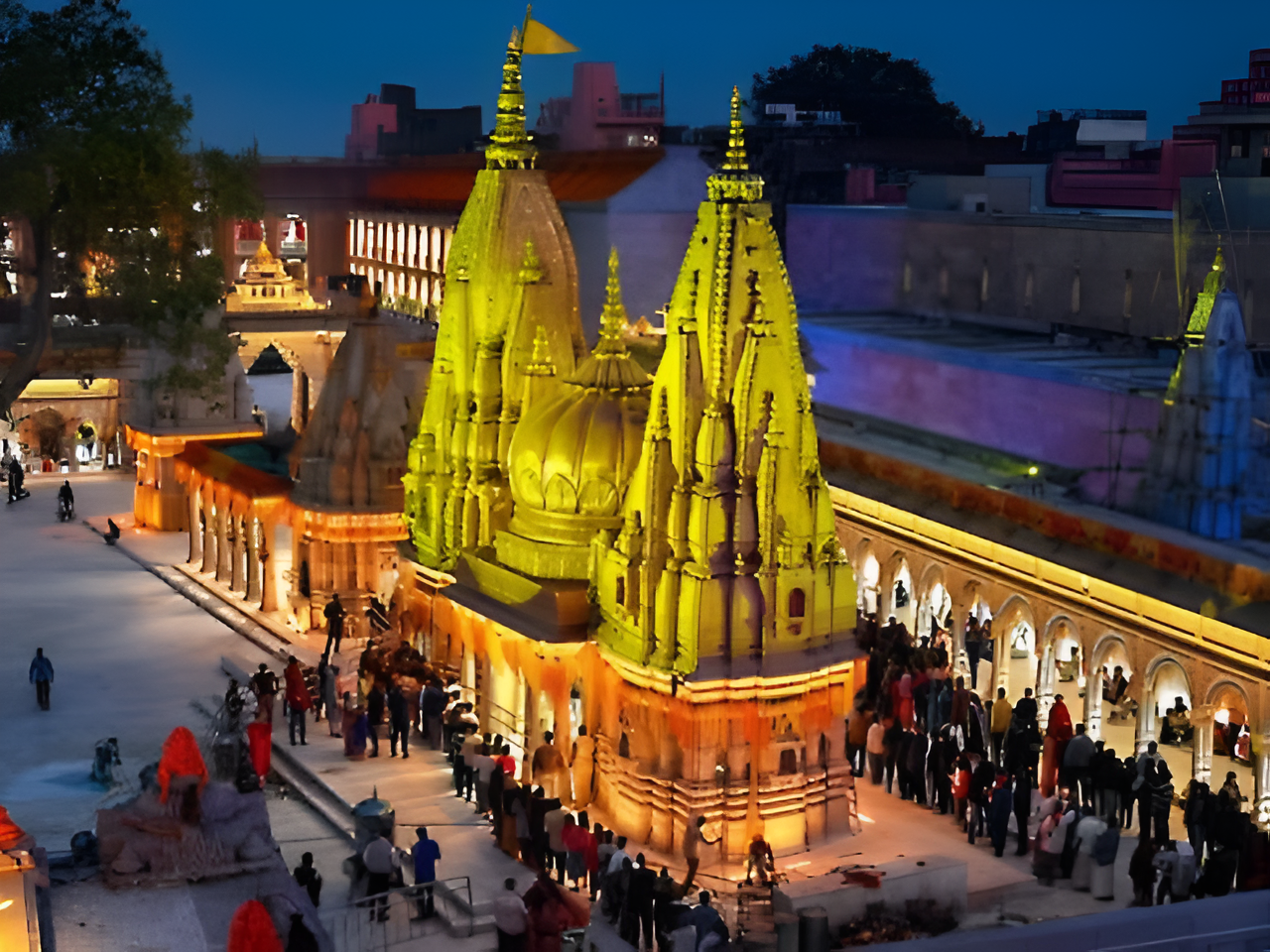
Lord Shiva puja is considered auspicious and people prefer to go to shrine temples such as Kashi Vishwanath temple. They feel that visiting spiritual places brings blessings and auspicious things start to happen in their lives. Well, Varanasi is the city where the Kashi Vishwanath temple is to be located. It is established upon the trident of Lord Shiva.
The complete guide to Kasai Vishwanath Darshan from ticket hacks
To local rituals:
Enjoying Sunrise scene at the New Kashi Vishwanath:
When the visitors reach at the temple, they can capture the shots of the Ganga River at dawn time. The scenery of the fog lifting off the water is really amazing. The distant sound of the temple bells and sadhus meditating gives calmness to the minds of visitors. The newly built Kasai Vishwanath temple image, from cut to fast-paced montage, wins the hearts of spectators.
To make your Kasai Vishwanath trip a success, timing is everything. Here is your perfect step-by-step game plan for Darshan day:
How to Visit Kashi Vishwanath Temple: General Queue vs. VIP Pass:
Are you really planning to visit the Vishwanath temple, and then there are two options in front of you? First, you can choose the free general queue in which you need to stand, usually one to four hours, to wait for your turn. Or you can skip the first option of long waiting by booking the VIP Sugar Darshan Ticket that costs of the ticket is only 300 rupees. It only takes less than 45 minutes to go inside the temple.
How to Start Your Day in Kashi:
People mostly start to take dip in the holy Ganga ghats at 5:30 am. Some people like to sprinkle sacred water over their heads to begin their day purified.
Essential Entry Rules for Kashi Vishwanath Temple:
At 6:30 AM, Head into the Corridor through Gate 4. Nobody can bring their electronic items inside the temple, such as phones, smart watches, shoes and leather belts they should need to deposit at the free temple lockers.
Sacred Rituals: How to Offer Prayers at the Temple:
At 7:00 AM. Grab a simple offering thali from an authorized vendor. Fill it with flowers, sweets, milk, and Bel Para leaves for the deity.
How to Navigate the Inner Sanctum for Darshan:
Inner sanctum: timing 5:7:30 am: The visitors can enter the main courtyard and reach the inner sanctum that exists under the golden spire and offer their prayers to the sacred place Jyotirlingas. The visitors have to move quickly at this place so that everyone gets their turn quickly of Darshan.
Key Protocols to Know Before Entering the Gates:
Essential Dress Code Rules for Kashi Vishwanath Temple:
“First up, the dress code is essential to visit the temple. The visitors need to wear modest outfits when they have to go inside for the sparse Darshan inside the temple.
Electronic Items and Locker Policy at Kashi Vishwanath Temple:
Next, visitors are not allowed to bring their electronic items inside the temple. They need to leave behind these items in the free lockers of the temple.
The Best Days and Times to Visit Kashi Vishwanath Temple:
Finally, timing is crucial. Tuesdays and Saturdays tend to be particularly crowded, while Mondays capture the largest crowds because of Lord Shiva’s sacred day. Do you really need to enjoy the more meditative experience and need quite place, then please choose to go on Wednesday or Thursday at dawn time at the temple?
The Mystic Glow of Evening and Morning Aartis at Kashi Vishwanath temple:
The Man gala Aartis: (17:00–20:00):
The pilgrimage can enjoy the visuals of the temple at nighttime. The light turns on at that time, casting a golden glow. Visitors can require bookings in advance for the most scary morning ritual Aartis, which is to be known as Man gala Aartis, whose timings are 3:00 to 4:00am.
Food offerings:
The pilgrimage can participate in this Aartis and timings for this, is 11:30 -12:30 am, in which visitors can perform mid midday day food offerings to the diet. It is considered as highly energetic chanting.
Saptarishi Aartis:
The pilgrimage can join the Saptarishi Aarti that occurred between at 7:00pm-8:30 pm in which seven priests of the temple perform a powerful ritual simultaneous worship.
Shayna Aartis:
Shayna Aarti is mostly praying at the time between at 10:30 to 11:00pm in which the final deeply peaceful ritual is to be conducted before the deity goes to rest.
Final tip:
Visiting Kashi Vishwanath temple is really a soul-stirring milestone. It is not only a trip. If the pilgrimage plans their trip properly, then they can save hours of frustration and let them soak in the raw, spiritual bliss of the city of the light.
A peaceful heritage resides in the spiritual core of Varanasi
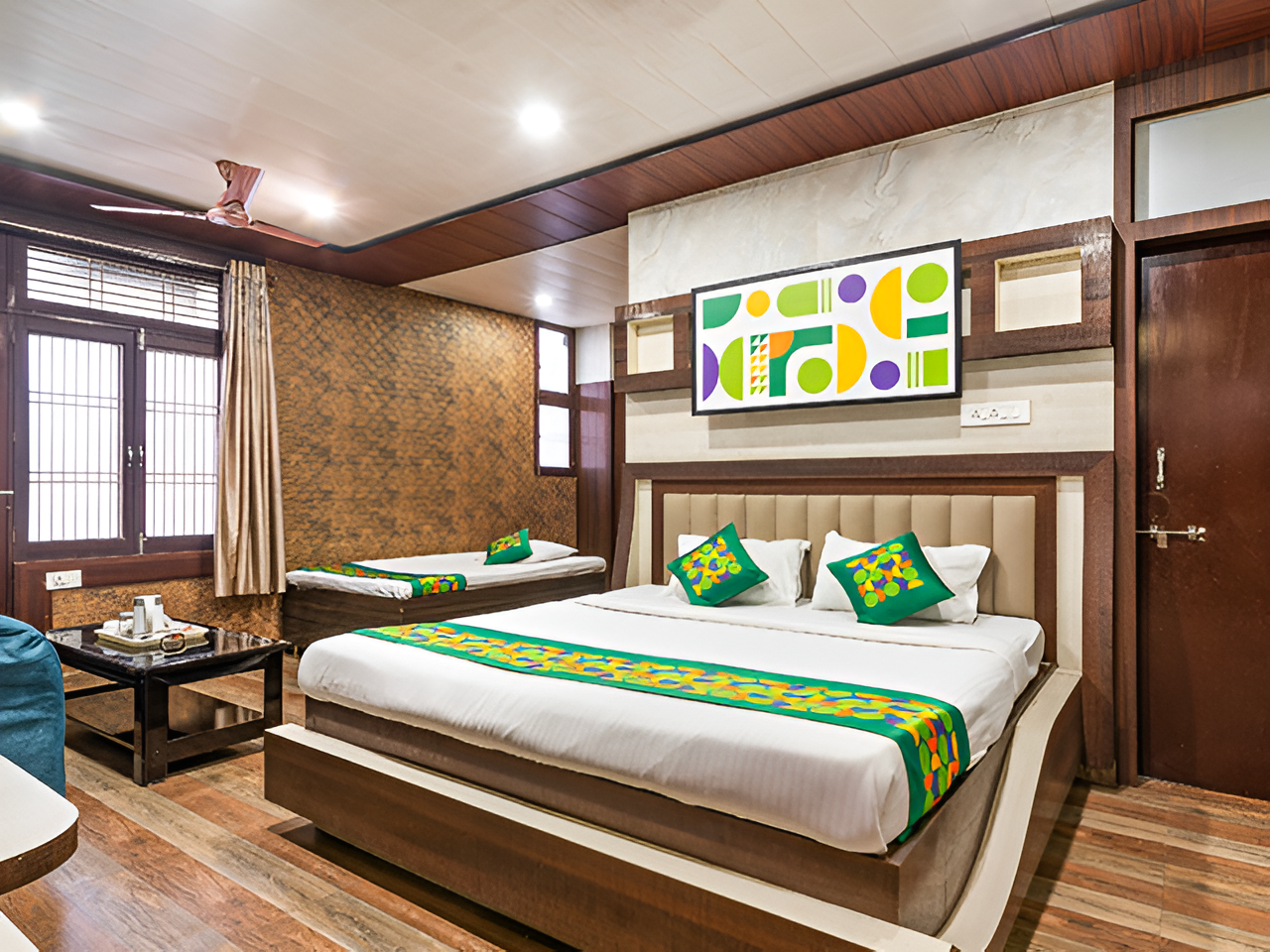
The soul of the visitors gets peace at Kashi Anupam Hotel and Varanasi is really a fabulous place to rest. This is the place where visitors have to experience traditional cultural heritage and a serene environment. Each visitor is welcomed to our heart of the ancient city.
Kashi Anupam Hotel is truly combination of traditional Indian heritage with contemporary amenities. The elegant exterior and beautifully designed room’s areas attract all the visitors who come here for a spiritual journey, a cultural retreat or family vacation. The Kasai Anupam hotel is located just a few minutes away from Kashi Vishwanath Temple, Assi Ghat, and the spiritual banks of the Ganga.
The sophistication of Europe:
Looking for the ultimate luxury escape in Varanasi? Kashi Anupam Hotel hits differently. The entire space seamlessly blends a European vibe with top-tier modern amenities. Think grand neoclassical architecture finished with gorgeous, premium wooden floors. It’s pure sophistication. The premium quality comfort beds are crafted inside the rooms of the hotel that ensure a restful experience. Each room is meticulously designed for guests, providing a refined stay for all who visit the hotel.
The heritage of Banaras:
Visitors can enjoy the temple bell echoes while sitting on the river. The music listening to the visitor’s ears is just like the sitar and soft guitar note. The acoustic string instrument’s voice is to be heard in the ears of visitors at full arrival of the day. Every moment gives peace to the minds of the visitors and gives eternal feeling.
Nested near the historic Dhamek Stupa, The Kashi Anupam Hotel brings this rich legacy to life through curated local experiences. Step inside, where the interiors are beautifully adorned with authentic Banarasi Textiles and handlooms artistry, offering a stunning reflection of Varanasi Vibrant culture.
Welcome To Hotel Saumendra Residency:
Are you planning for your ultimate Kasai trip, but you are really confused about where to stay? Then you can cordially welcome to Kashi Anupam Hotel: that can be your prefect strategic hub in Varanasi! It’s not a big deal. Whether the guests arrive by air or track, we always keep you right in the center of the action.
- Hotel Anupam: Central Location
- Cantt Station: 4 km | City Station: 3.5 km
- Sarnath Station: 3 km | Airport: 16 km
The Sarnath & Modern Spiritual Circuit (15-35 seconds):
The historical grandeur of Sarnath is just situated away 15–35 seconds away from the hotel. It is time to wake up and explore past history! The ancient Dhamek Stupa is located just 2kn away from the Kasai Anupam Hotel. Right next door, the tourist can immerse themselves in global spirituality with the Chinese, Korean, Japanese and Thai temples, alongside with the historic Ashok Chakra, which is just a 2.1km from the hotel. Are you searching for deep peace? Then the breathtaking Starved Mahamandir is a quick 8km drive.
- Dhamek Stupa: 2 km
- International Buddhist Temples: 2.1 km
- Swarved Mahamandir: 8 km
The Heart of Kashi (35-55 seconds)
The tourists can take shots of temple structures, moving crowds, a quick glimpse of BTU’s greenery, and the iconic folded hands monument at Name Ghat.
Do you really want to take the blessings of god, and then you are completely covered? The heart of the city—Baba Vishwanath Mandir—is only 6 km away. Seek protection at Cal Bhairav Mandir, which is just around 5.5 km from Kashi Anupam hotel. Tourists can also visit Sankat Mochan at 7.5 km, and tourists can also take a peaceful stroll through the beautiful BHP Campus, which is just 8.5 km away from the hotel. Oh, and don’t miss the stunning sunset at the famous Name Ghat, that is located just 6 km from your room!
- Kashi Vishwanath Mandir : 6 km
- Kal Bhairav Mandir :5.5 km
- Namo Ghat : 6 km
Day Trips & Outskirts (55-75 seconds)
The tourists can enjoy historic fort of Ramnagar, followed by dynamic travel shots indicating longer road trips.
If you really want to explore further? Then Cross the river to Ramnagar Fort at 12 km is just thrilling view, The tourist is to pay respects at the Jain Mandir that is located at just 12 km from Kashi Anupam Hotel afterwards the tourists can head to Markandey Mahadev that is just a way of 15 km. Hotel Anupam even serves as your gateway for seamless day trips to Maa Vindhyavasini Mandir in Mirzapur or the holy Sangam in Prayagraj!
- Ramnagar: 12 km | Markandey Mahadev: 15 km
- Maa Vindhyavasini Mandir: 70 km
- Prayagraj (Sangam): 120 km
Final tip:
Here, visitors get more opportunities to explore outer areas. Make your Banaras journey smooth, seamless, and unforgettable. Book your stay at Kashi Anupam Hotel today!
- Stay Close. Explore More
- Hotel Saumendra Residency, Varanasi